What Should You Do After a Hailstorm Damages Your Roof?
A severe hailstorm just moved through your neighborhood. Your siding looks questionable, there are branches in the yard, and you heard hail hitting the roof.
What should you do next?
The most important thing is not to assume the worst. Hail in your neighborhood doesn’t automatically mean your roof needs replacement.
Instead, take a systematic approach.
Document what happened, look for visible damage from a safe location, arrange an inspection if appropriate, and understand your options before making major decisions.
Step 1: Make Sure the Property Is Safe
Before worrying about the roof, check for immediate hazards.
Severe thunderstorms can bring more than hail. High winds can knock down branches and power lines or damage structures.
Watch for:
- Downed power lines
- Large hanging branches
- Broken glass
- Flooding
- Loose exterior materials
- Significant structural damage
Don’t enter unsafe areas or attempt repairs that put you at risk.
Step 2: Document the Storm and Visible Damage
Once conditions are safe, document what you can.
Use your phone to take photos and videos from accessible areas.
Helpful things to document may include:
- Hailstones
- Damaged siding
- Dented gutters
- Damaged downspouts
- Broken screens
- Fallen branches
- Damaged outdoor equipment
- Visible roofing material on the ground
If possible, record the approximate date and time the storm occurred.
Documentation can help you remember what the property looked like immediately after the storm.
Step 3: Inspect Your Property From the Ground
Walk around the exterior without climbing onto the roof.
Look at the roof from several angles if you can do so safely.
Possible warning signs include:
- Missing shingles
- Shingles that appear displaced
- Damaged roof vents
- Dented gutters
- Damaged flashing
- Pieces of shingles on the ground
- Visible impact damage to exterior surfaces
Remember that many forms of roof damage aren’t easy to identify from ground level.
Not seeing anything obvious doesn’t necessarily mean the roof is undamaged.
Step 4: Check Inside Your Home
Look for evidence of water intrusion.
Pay attention to:
- Ceiling stains
- Damp drywall
- Water near exterior walls
- Moisture in the attic
- Dripping water
- New discoloration
If you discover active water intrusion, take reasonable steps to protect your belongings and prevent additional interior damage without putting yourself in danger.
Step 5: Schedule a Professional Roof Inspection
If the storm produced significant hail or you see potential damage around your property, a professional roof inspection is a logical next step.
The purpose of the inspection is to determine what actually happened.
A contractor may inspect:
- Asphalt shingles
- Roof slopes
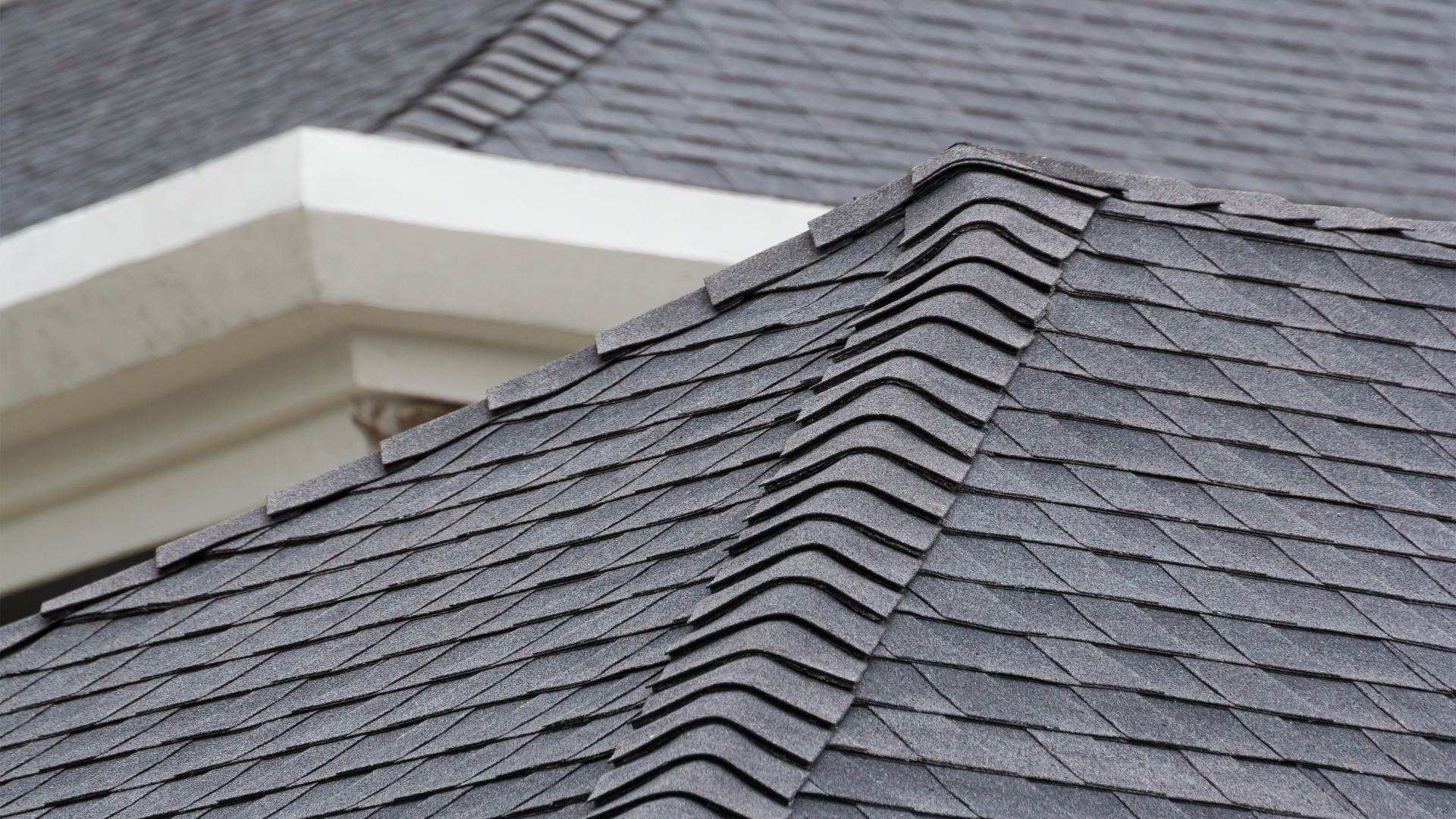
- Ridge areas
- Valleys
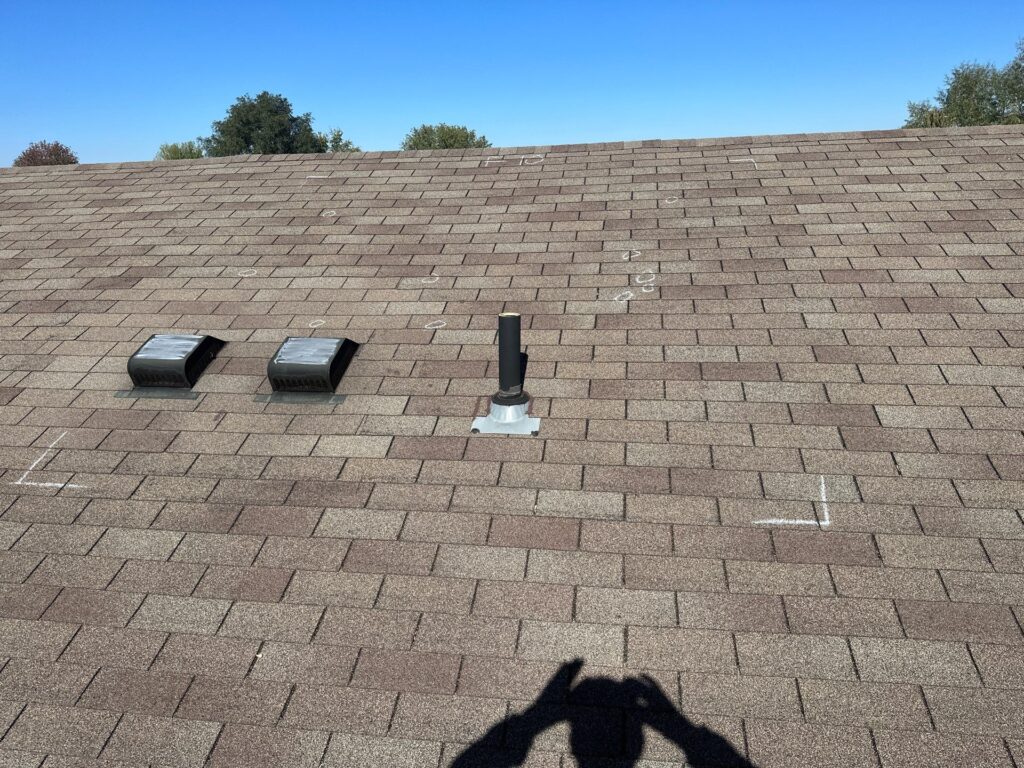
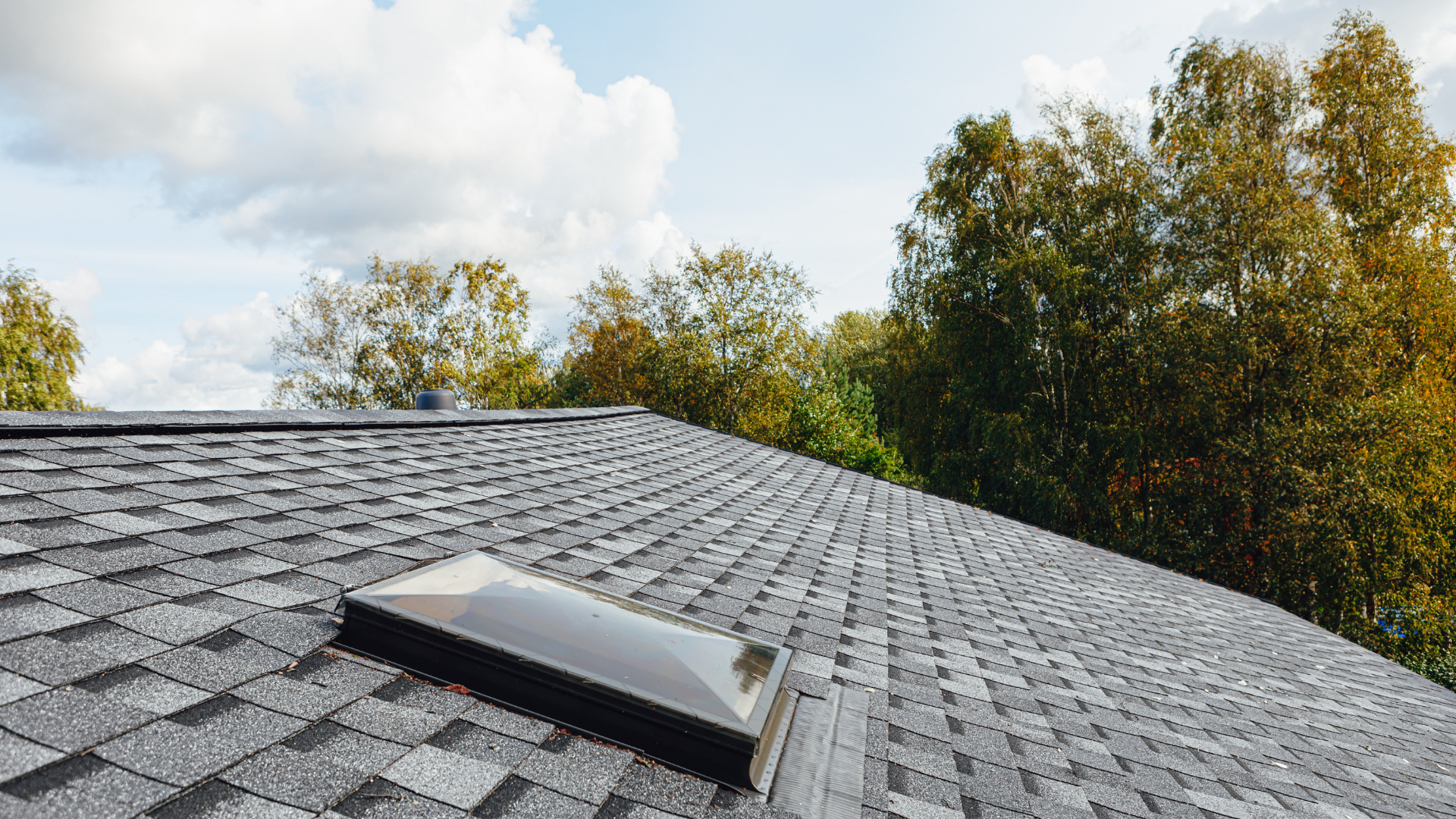
- Vents
- Flashing
- Gutters
- Downspouts
- Fascia
- Other exterior components
Ask the contractor to explain and document any problems they identify.
Step 6: Understand What Hail Damage Looks Like
Hail doesn’t affect every roofing material in exactly the same way.
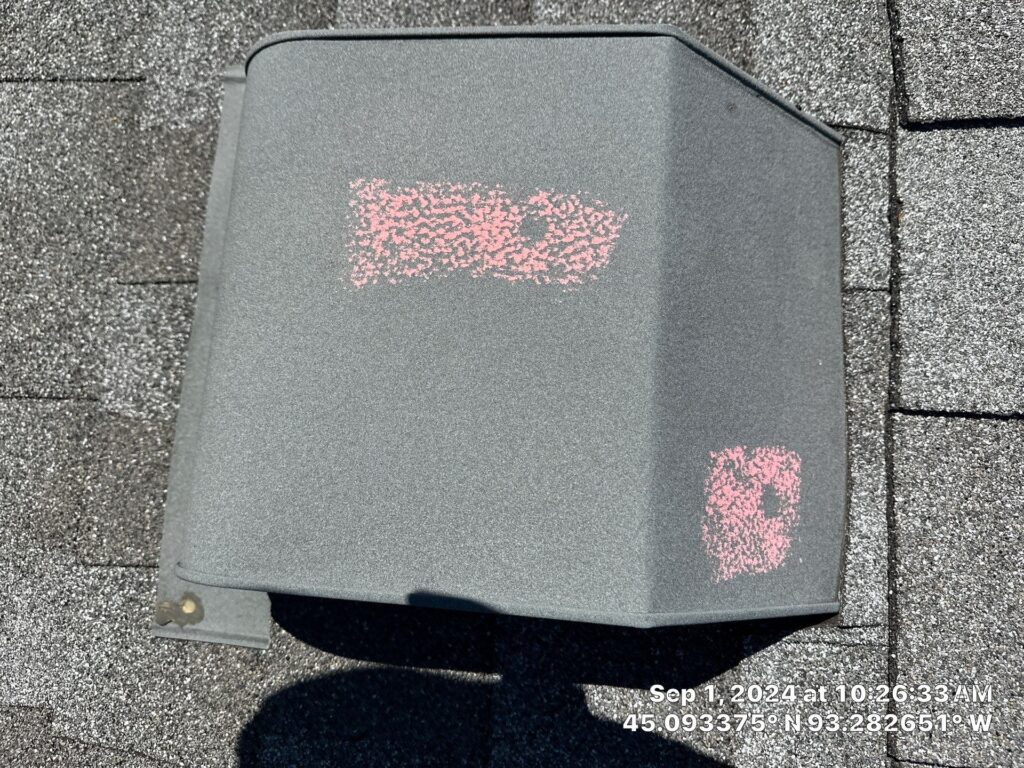
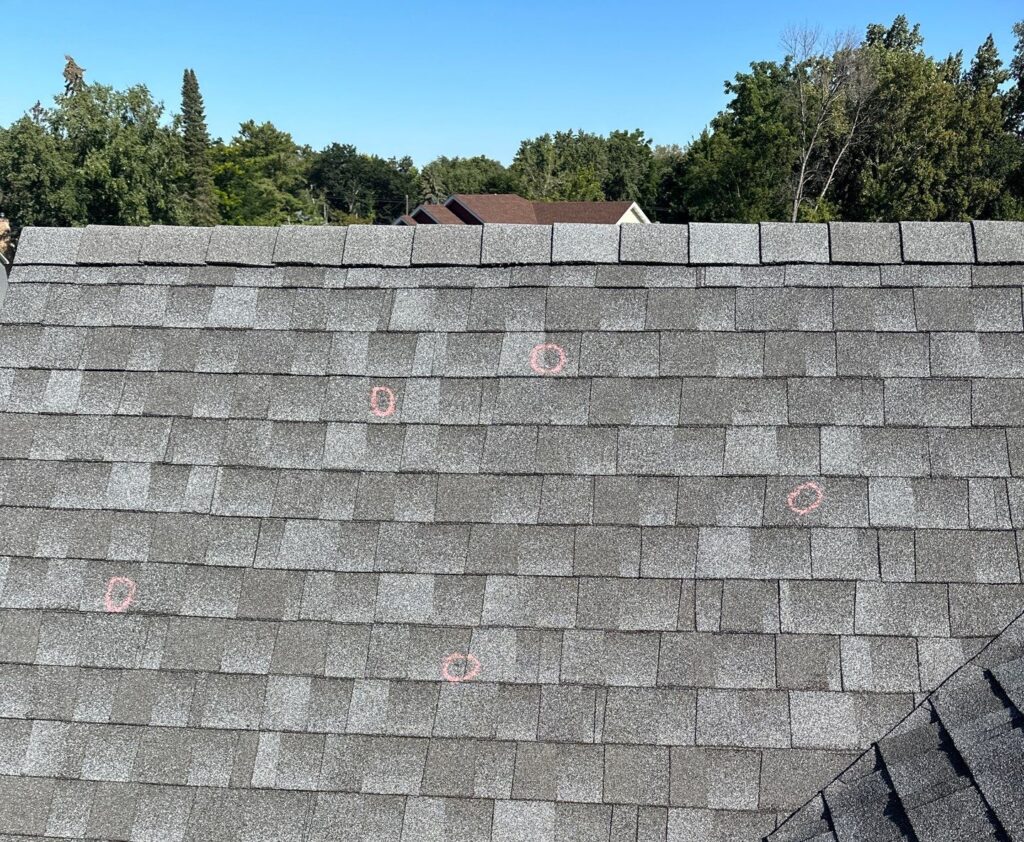
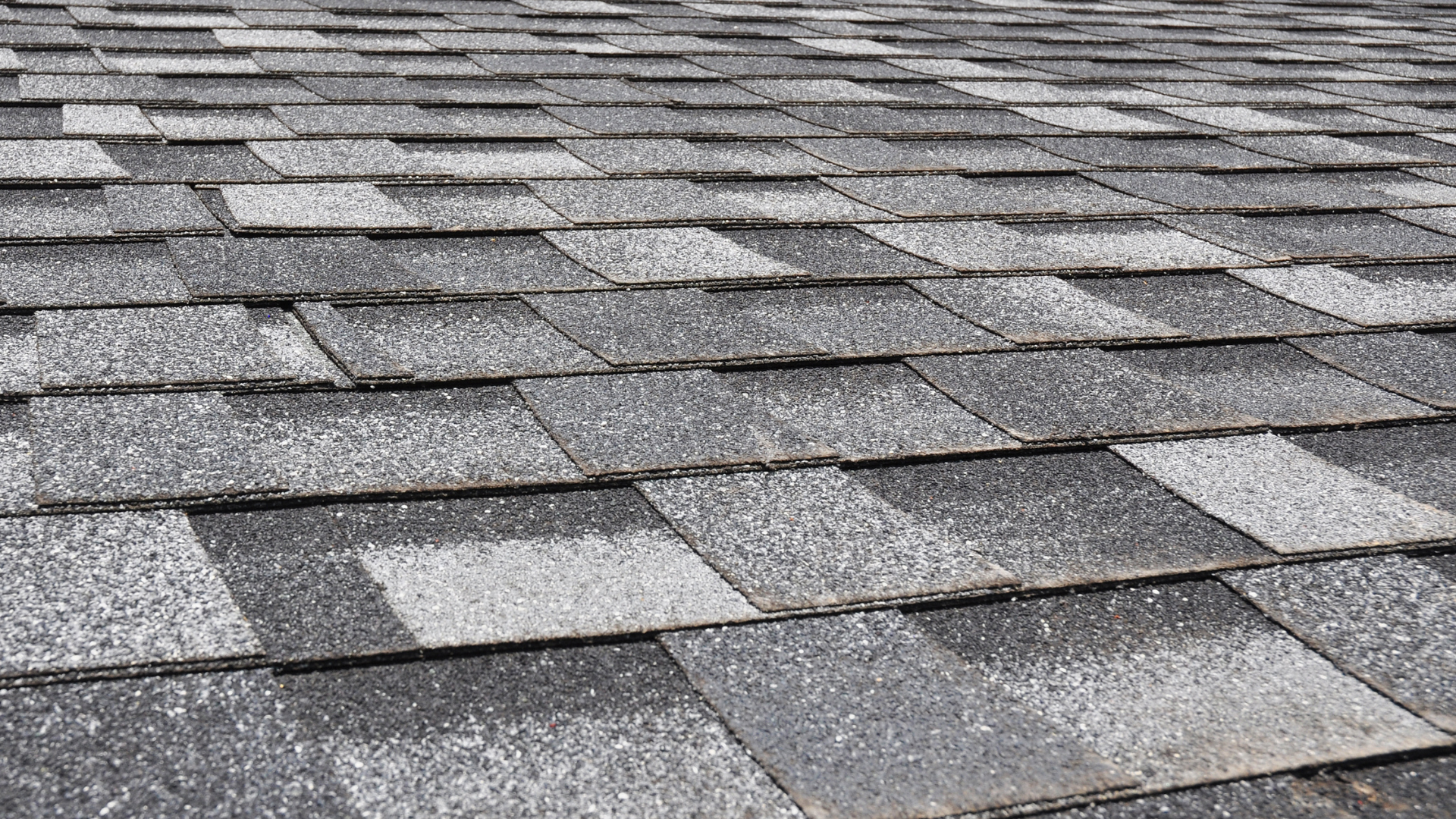
On asphalt shingles, possible storm damage can include impact marks, displaced granules, cracking, or other physical damage.
But identifying legitimate hail damage requires context.
Shingles also experience ordinary wear from age, heat, weather, foot traffic, and other factors.
That’s why homeowners should be cautious about anyone who declares that an entire roof needs replacement without adequately evaluating and explaining the condition.
Step 7: Review Your Homeowners Insurance Policy
If damage is found and you’re considering filing a claim, review your homeowners insurance policy.
Insurance policies differ.
Important details may include:
- Deductible
- Covered causes of loss
- Coverage limits
- Roof settlement provisions
- Exclusions
- Reporting requirements
- Claim deadlines
Your insurance company determines whether a particular loss is covered under your policy.
A roofing contractor can inspect and document roofing conditions and provide estimates for roofing work, but coverage decisions are made by your insurer.
Step 8: Get a Clear Roofing Estimate
If repairs or replacement are recommended, ask for a written estimate that explains the proposed scope.
Don’t evaluate the project only by the final price.
Look at what’s included.
Depending on the project, an estimate may address:
- Tear-off
- Shingles
- Underlayment
- Ice and water protection
- Flashing
- Ventilation
- Roof accessories
- Labor
- Disposal
- Cleanup
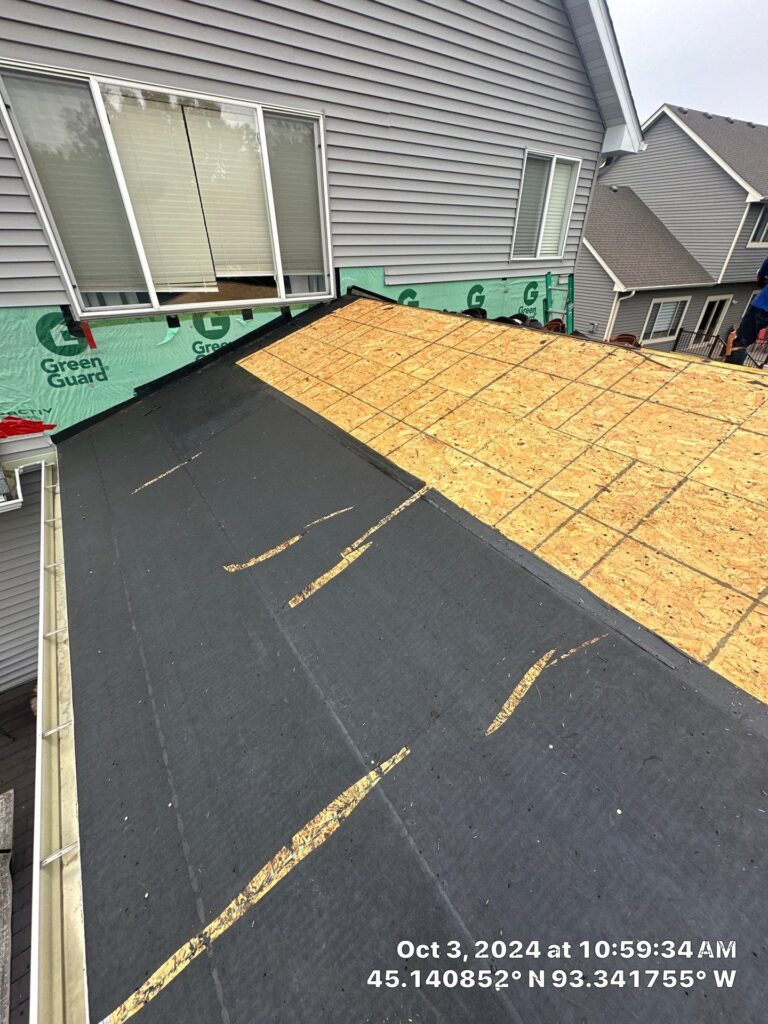
- Potential decking replacement
- Warranty information
Ask questions about anything you don’t understand.