How Can You Tell If Your Roof Has Hail Damage?
Minnesota thunderstorms can arrive quickly, and some bring one of the biggest concerns for homeowners: hail.
After the storm passes, your yard and driveway might look completely normal. That doesn’t necessarily tell you whether your roof was affected.
Roof hail damage can be difficult to identify from the ground, especially if you don’t know what you’re looking for.
Understanding the common warning signs can help you decide whether it’s time to schedule a professional roof inspection.
What Does Hail Damage Look Like on a Roof?
The appearance of hail damage depends on several factors, including hail size, wind, roofing material, roof age, and the direction of the storm.
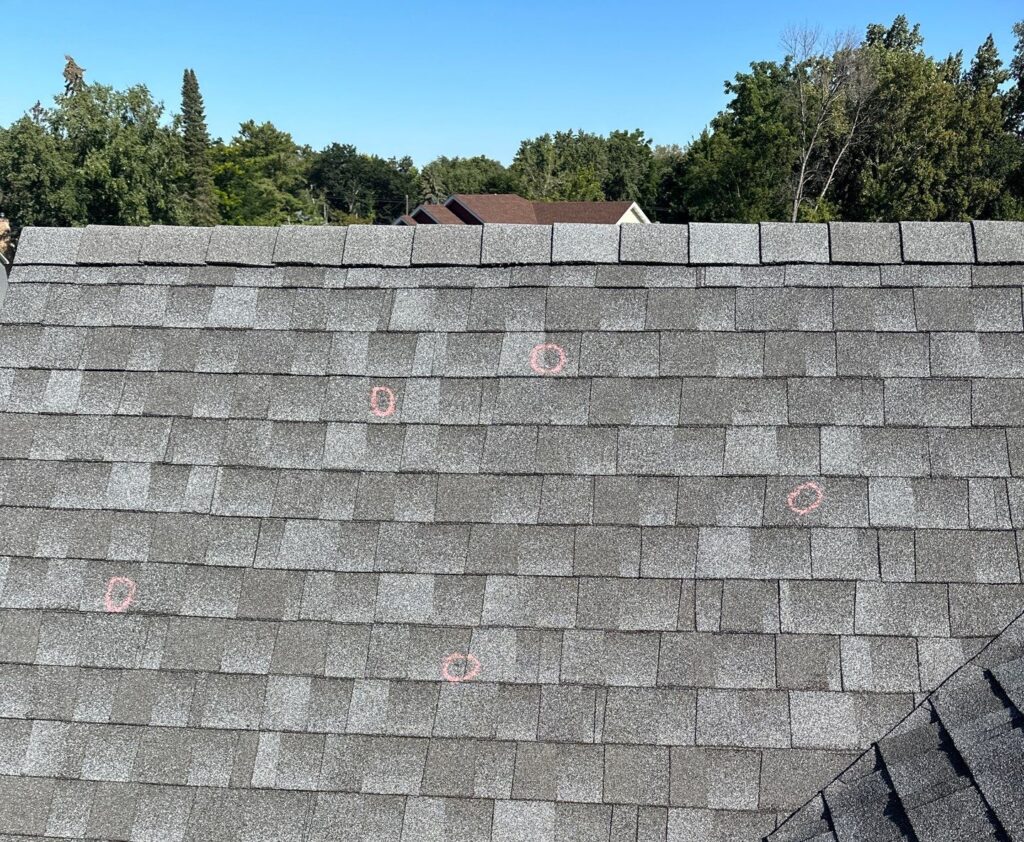
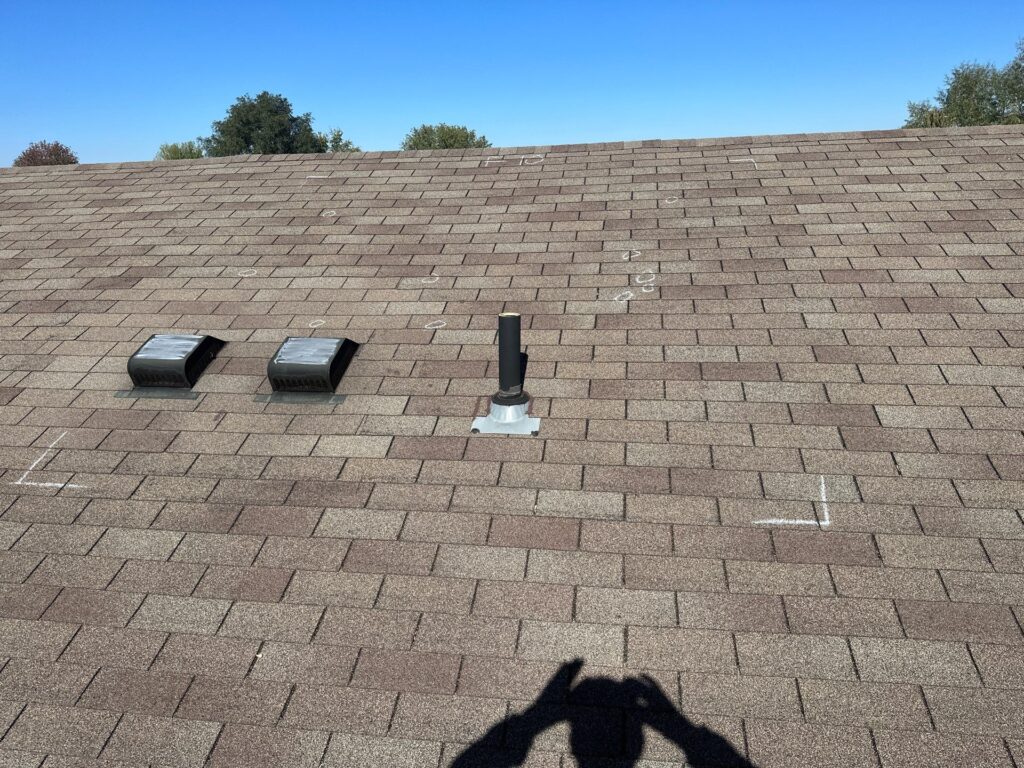
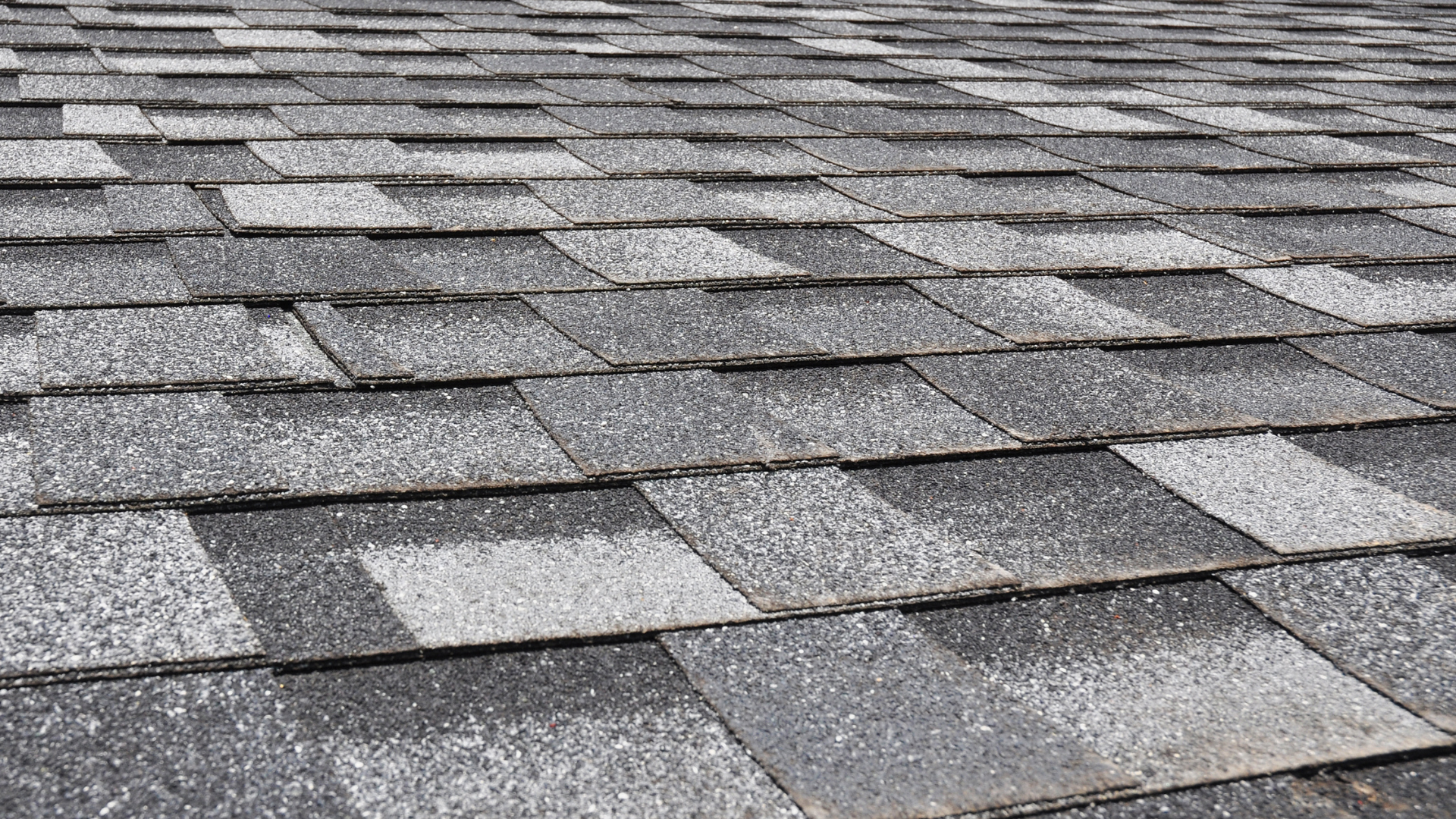
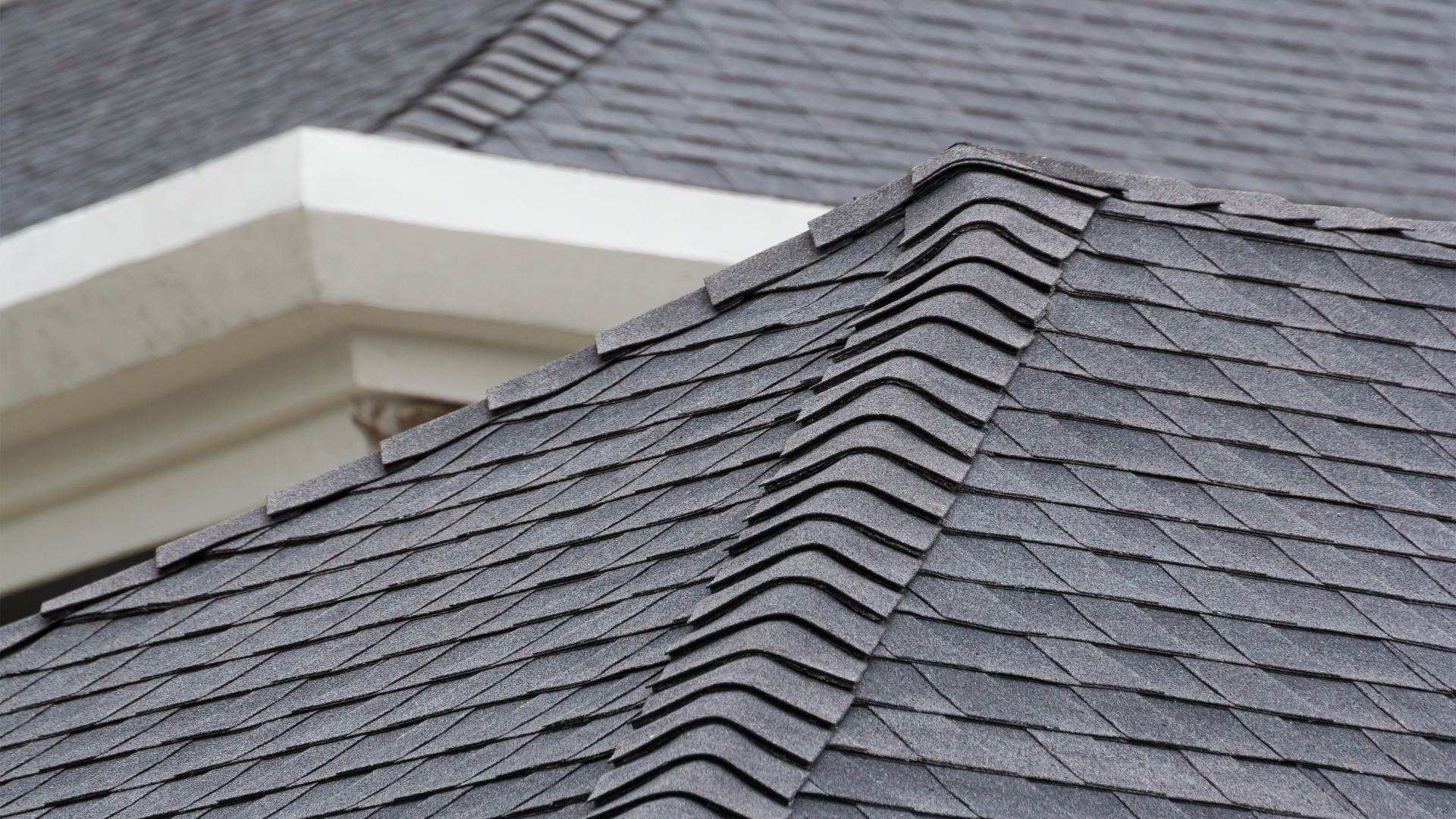
On asphalt shingles, hail impacts may cause areas of granule loss or physical damage to the shingle.
Possible signs include:
- Circular or irregular impact marks
- Missing granules
- Exposed areas of the shingle
- Cracks
- Bruising or damaged shingle material
- Damage concentrated on certain roof slopes
However, not every mark on a shingle is hail damage.
Normal aging, foot traffic, manufacturing characteristics, tree debris, and other conditions can sometimes look similar to an untrained eye.
That’s one reason professional inspection can be helpful.
Look Around Your Property After a Hailstorm
You don’t need to climb onto your roof to start looking for evidence of a severe storm.
Walk around your property from the ground and inspect accessible exterior areas.
Look for:
- Dented gutters
- Damaged downspouts
- Dented metal surfaces
- Torn window screens
- Damaged siding
- Broken outdoor fixtures
- Damaged plants
- Roofing material on the ground
- Missing or displaced shingles
Damage to other exterior surfaces doesn’t automatically prove your roof has hail damage, but it can be a reason to have the roof evaluated.
Can Small Hail Damage a Roof?
Hail size is important, but it isn’t the only factor.
Wind speed and direction can influence impact force. The condition and age of the roofing material can also affect how it responds.
Two houses in the same neighborhood may not experience identical damage during the same storm.
Roof slope, exposure, surrounding trees, material type, and storm direction can all make a difference.
That’s why it’s difficult to determine roof condition simply by knowing that hail fell in your area.
Can Hail Damage Cause a Roof Leak?
Severe storm damage can contribute to water intrusion, but a roof doesn’t always begin leaking immediately after a hailstorm.
This is important.
Homeowners sometimes assume:
“There isn’t water coming through my ceiling, so my roof must be fine.”
A lack of an active leak doesn’t necessarily confirm that every roofing component is undamaged.
Storm-related problems may affect the roofing system without producing an immediate interior symptom.
If you have a reason to suspect damage, an inspection can provide more information than waiting for a leak to appear.