What Is Roof Fascia and Why Is It Important for Your Home?
When most homeowners think about their roof, they picture shingles, gutters, and maybe the flashing around a chimney. One important part of the roofing system that often gets overlooked is the fascia.
Fascia boards run along the edge of your roof and help create the finished appearance you see from the ground. But fascia isn’t just decorative. It plays an important role in supporting your gutters and protecting parts of your home from moisture, weather, and pests.
For Minnesota homeowners, keeping fascia in good condition is especially important because homes are exposed to rain, snow, ice, freezing temperatures, and changing weather throughout the year.
Understanding what fascia does can help you spot problems before they turn into more expensive repairs.
What Is Fascia on a House?
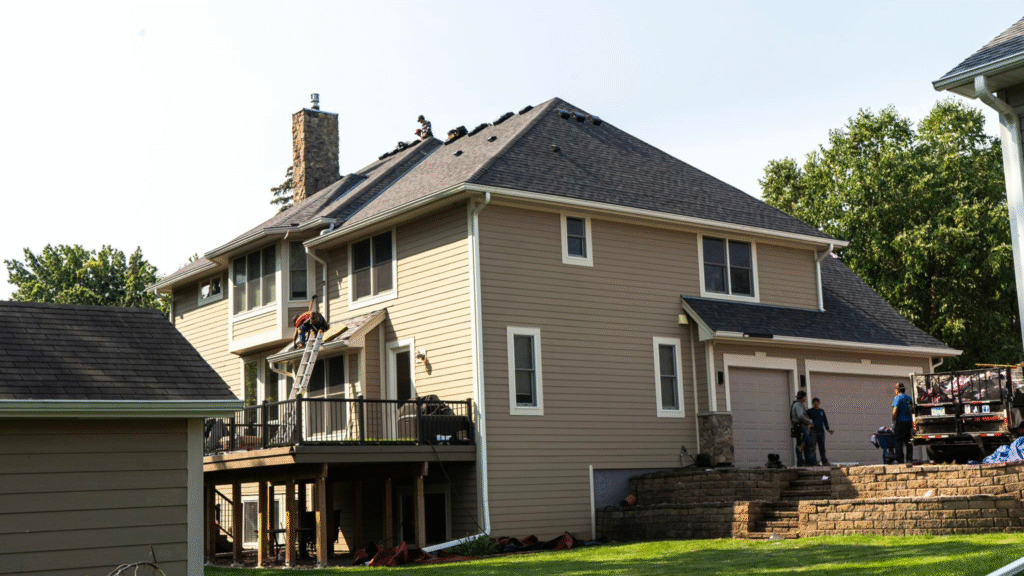
Fascia is the long, straight board installed along the lower edge of a roof. It is typically located behind the gutters and covers the ends of the roof rafters.
Depending on the home, fascia may be made from wood, aluminum-covered wood, vinyl, composite material, or other weather-resistant products.
Although you may only see a relatively small section from the ground, fascia serves several purposes.
It helps:
- Create a clean, finished roofline
- Support the home’s gutter system
- Cover and protect exposed roof edges
- Reduce moisture exposure around the roof structure
- Help keep insects and animals away from vulnerable areas
- Connect different components along the roofline
Because gutters are commonly attached directly to the fascia, the condition of your fascia can also affect how well your gutter system performs.
Why Is Roof Fascia Important?
One of fascia’s biggest jobs is helping protect the edge of your roofing system.
Without proper protection, water can reach wood and other materials around the roofline. Over time, repeated moisture exposure can contribute to deterioration.
Minnesota weather can make this problem worse.
Snow and ice accumulate on roofs during winter. As temperatures rise, melting snow sends water toward the gutters. Heavy rain and thunderstorms during warmer months bring even more moisture.
If your gutters overflow, become clogged, pull away from the house, or allow water to get behind them, the fascia may be exposed to water repeatedly.
Eventually, that can cause problems.
Signs of Damaged Fascia
Fascia damage isn’t always obvious from the ground, but there are several warning signs homeowners can watch for.
Common signs include:
- Peeling or bubbling paint
- Visible cracks
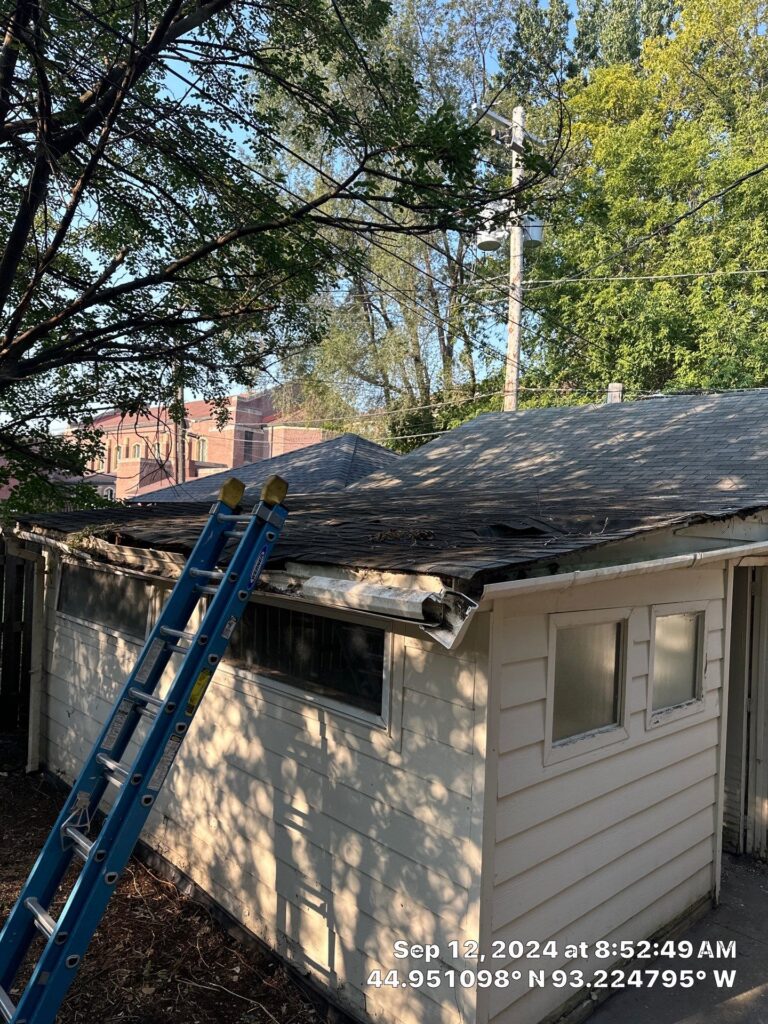
- Soft or rotting wood
- Dark or discolored areas
- Sections of fascia pulling away
- Sagging gutters
- Gutters separating from the roofline
- Water stains near the roof edge
- Signs of insects or animals entering the roofline
- Visible deterioration around corners
You may also discover fascia damage when having your gutters, siding, or roof inspected.
If something doesn’t look right, having the area professionally evaluated can help determine whether you’re dealing with cosmetic wear or actual deterioration.
What Causes Fascia Boards to Rot?
Water is one of the biggest causes of fascia deterioration.
A properly functioning roofing and gutter system should move water away from vulnerable parts of your home. Problems elsewhere in that system can expose the fascia to moisture.
Common causes include:
- Clogged gutters
- Improperly installed gutters
- Roof leaks
- Damaged shingles near the roof edge
- Improper flashing
- Ice and snow accumulation
- Repeated freeze-thaw cycles
- Aging materials
- Poor ventilation or trapped moisture
Even a small issue can become more significant if water continues reaching the same area.
That’s why fixing the cause of fascia damage is just as important as replacing the damaged material.