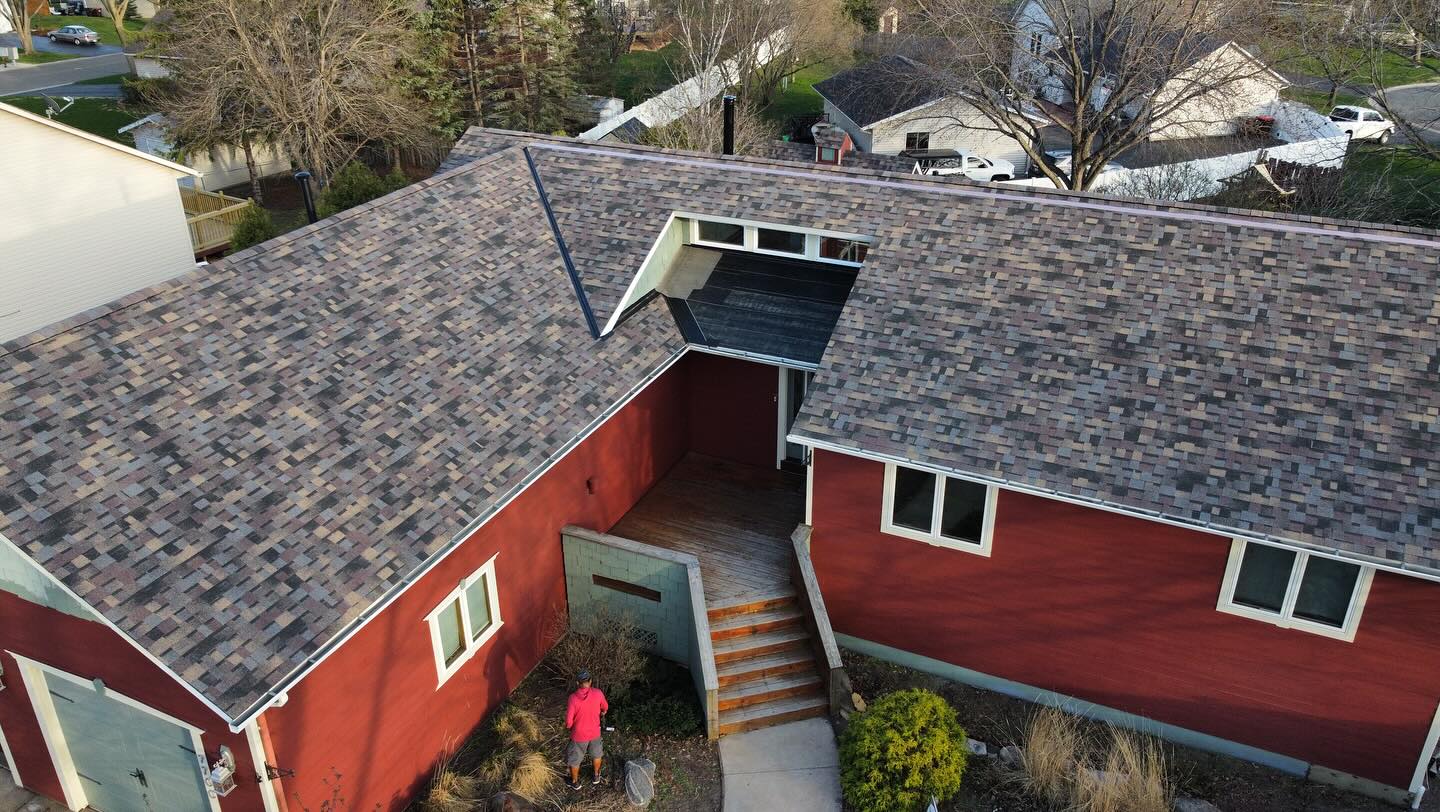
What Is Roof Fascia and Why Is It Important for Your Home?

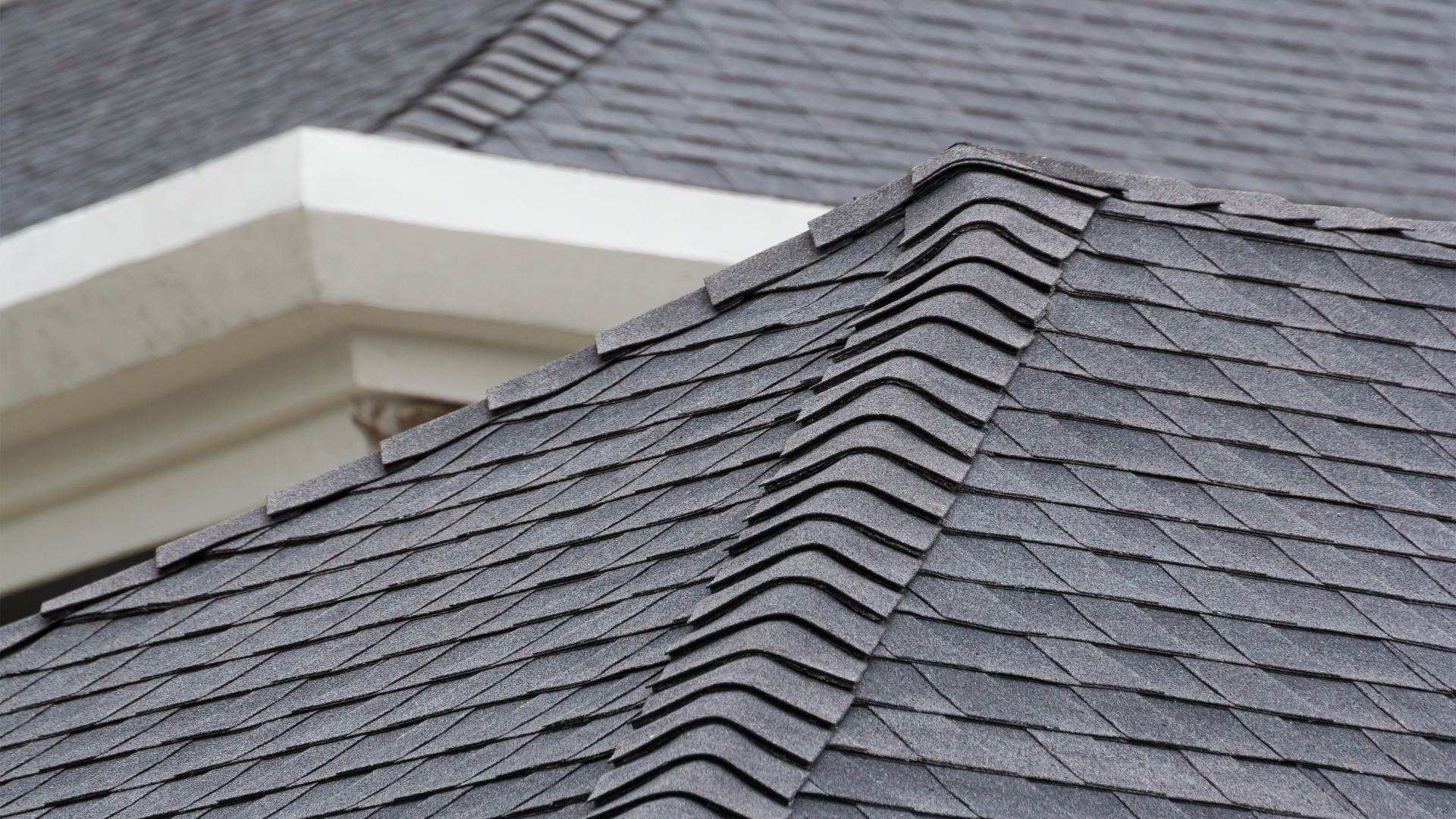
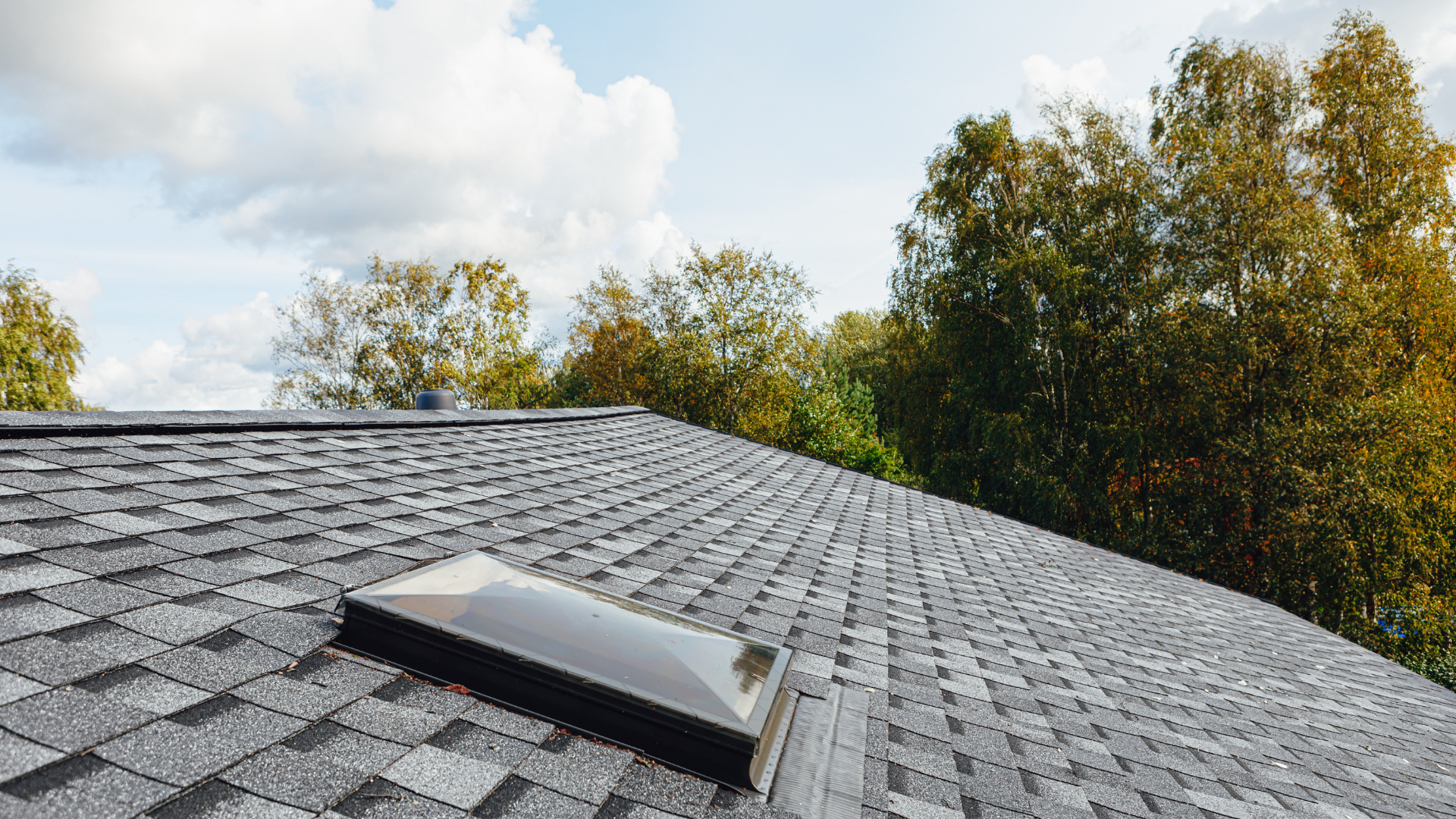
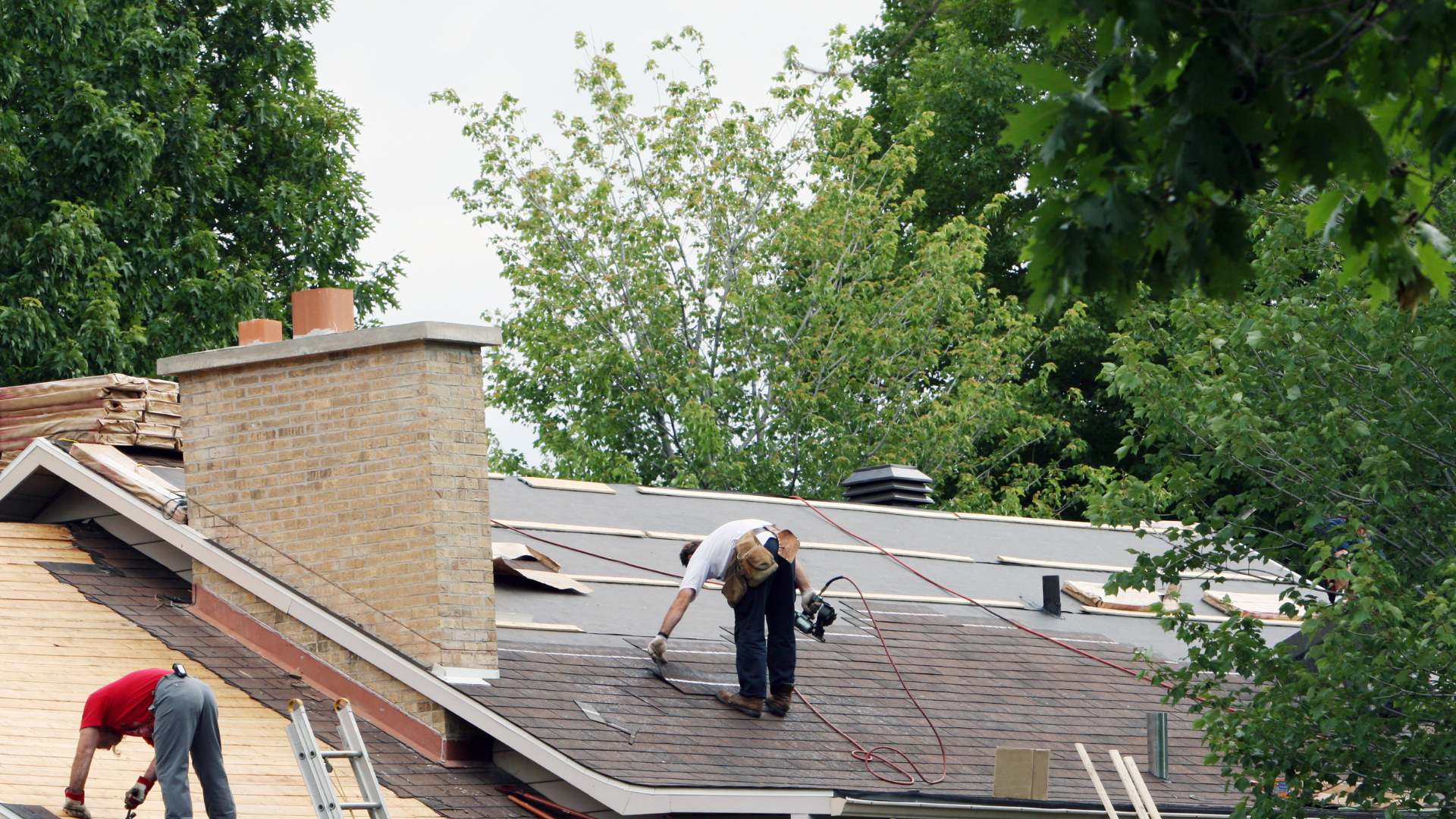
"Close-up of fascia board installation on residential home exterior"

What Is Roof Fascia and Why Is It Important for Your Home?

When most homeowners think about their roof, they picture shingles, gutters, and maybe the flashing around a chimney. One important part of the roofing system that often gets overlooked is the fascia.

Fascia boards run along the edge of your roof and help create the finished appearance you see from the ground. But fascia isn’t just decorative. It plays an important role in supporting your gutters and protecting parts of your home from moisture, weather, and pests.

For Minnesota homeowners, keeping fascia in good condition is especially important because homes are exposed to rain, snow, ice, freezing temperatures, and changing weather throughout the year.

Understanding what fascia does can help you spot problems before they turn into more expensive repairs.

What Is Fascia on a House?

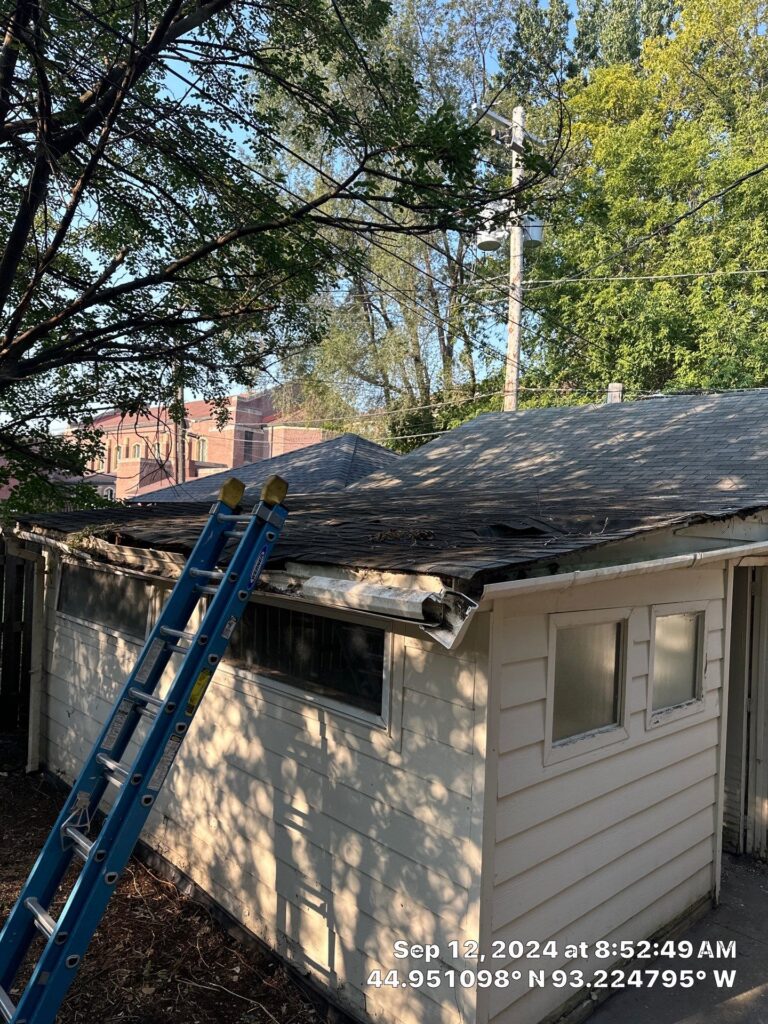
Fascia is the long, straight board installed along the lower edge of a roof. It is typically located behind the gutters and covers the ends of the roof rafters.

Depending on the home, fascia may be made from wood, aluminum-covered wood, vinyl, composite material, or other weather-resistant products.

Although you may only see a relatively small section from the ground, fascia serves several purposes.

It helps:

  • Create a clean, finished roofline
  • Support the home’s gutter system
  • Cover and protect exposed roof edges
  • Reduce moisture exposure around the roof structure
  • Help keep insects and animals away from vulnerable areas
  • Connect different components along the roofline

Because gutters are commonly attached directly to the fascia, the condition of your fascia can also affect how well your gutter system performs.

Why Is Roof Fascia Important?

One of fascia’s biggest jobs is helping protect the edge of your roofing system.

Without proper protection, water can reach wood and other materials around the roofline. Over time, repeated moisture exposure can contribute to deterioration.

Minnesota weather can make this problem worse.

Snow and ice accumulate on roofs during winter. As temperatures rise, melting snow sends water toward the gutters. Heavy rain and thunderstorms during warmer months bring even more moisture.

If your gutters overflow, become clogged, pull away from the house, or allow water to get behind them, the fascia may be exposed to water repeatedly.

Eventually, that can cause problems.

Signs of Damaged Fascia

Fascia damage isn’t always obvious from the ground, but there are several warning signs homeowners can watch for.

Common signs include:

  • Peeling or bubbling paint
  • Visible cracks
  • Soft or rotting wood
  • Dark or discolored areas
  • Sections of fascia pulling away
  • Sagging gutters
  • Gutters separating from the roofline
  • Water stains near the roof edge
  • Signs of insects or animals entering the roofline
  • Visible deterioration around corners

You may also discover fascia damage when having your gutters, siding, or roof inspected.

If something doesn’t look right, having the area professionally evaluated can help determine whether you’re dealing with cosmetic wear or actual deterioration.

What Causes Fascia Boards to Rot?

Water is one of the biggest causes of fascia deterioration.

A properly functioning roofing and gutter system should move water away from vulnerable parts of your home. Problems elsewhere in that system can expose the fascia to moisture.

Common causes include:

  • Clogged gutters
  • Improperly installed gutters
  • Roof leaks
  • Damaged shingles near the roof edge
  • Improper flashing
  • Ice and snow accumulation
  • Repeated freeze-thaw cycles
  • Aging materials
  • Poor ventilation or trapped moisture

Even a small issue can become more significant if water continues reaching the same area.

That’s why fixing the cause of fascia damage is just as important as replacing the damaged material.
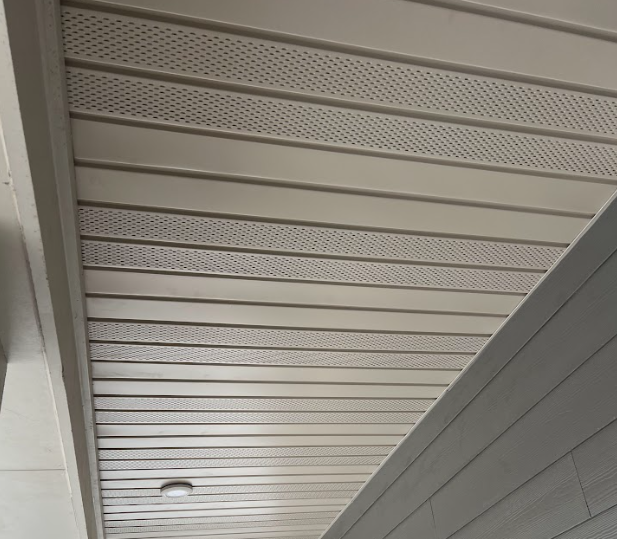
Can Damaged Fascia Affect Your Gutters?

Yes.

Your gutters need a solid surface for proper attachment. If the fascia underneath becomes soft or deteriorated, gutter fasteners may no longer have adequate support.

You might notice gutters beginning to sag or pull away from the house.

This creates another problem: a poorly positioned gutter may not collect roof runoff correctly. Water can spill behind or over the gutter, exposing the fascia to even more moisture.

It can become a cycle where damaged fascia contributes to gutter problems and gutter problems create additional fascia damage.

Should Fascia Be Checked During Roof Work?

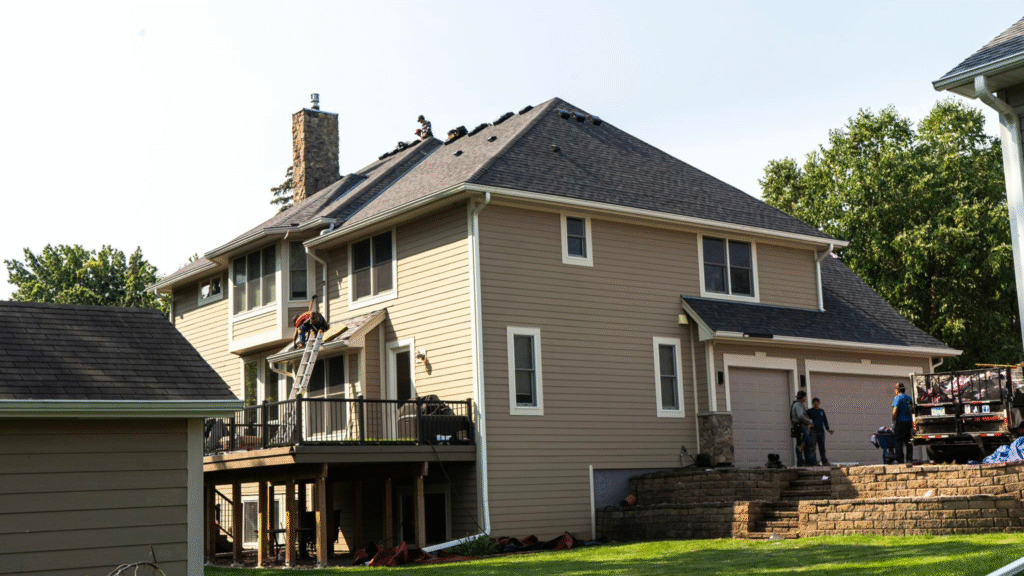
Roofing projects are a good opportunity to inspect the condition of fascia, especially around areas where deterioration is already visible.

A contractor may find problems that weren’t easy to see from the ground.

This doesn’t mean every roofing project requires new fascia. If the existing material is structurally sound and performing correctly, replacement may not be necessary.

However, deteriorated sections should be addressed appropriately instead of simply covering up the problem.

Can You Replace Only Part of a Fascia Board?

Sometimes.

The appropriate repair depends on the location and extent of the damage.

Localized damage may allow a contractor to replace a specific section. More widespread deterioration could require replacing larger portions of the fascia.

A professional inspection can help determine:

  • How far the damage extends
  • Whether underlying materials are affected
  • Why the damage occurred
  • Whether gutters need attention
  • Whether repair or replacement makes more sense

The goal should be to correct both the visible damage and whatever caused it.

Protect Your Roof From the Edges In

Fascia may not receive as much attention as shingles, but it is still an important part of your home’s exterior.

Healthy fascia helps support your gutters, protects vulnerable roof edges, and gives your home a clean, finished appearance.

If you notice peeling, rotting, cracking, sagging gutters, or other problems around your roofline, don’t automatically assume it’s only cosmetic.

BJT Roofing can inspect your roofline and help identify fascia, gutter, or roofing issues before they develop into larger problems.

Contact Us

Main Contact Form

Is a New Roof Worth It? 8 Reasons Roof Replacement Can Be a Smart Home Investment Is a New Roof Worth It? …

7 Benefits of Replacing Your Roof Before It Starts Leaking 7 Benefits of Replacing Your Roof Before It Starts Leaking Many homeowners …

What Should You Do After a Hailstorm Damages Your Roof? What Should You Do After a Hailstorm Damages Your Roof? A severe …

How Can You Tell If Your Roof Has Hail Damage? How Can You Tell If Your Roof Has Hail Damage? Minnesota thunderstorms …

SHOWCASING OUR EXPERTISE IN ROOFS THAT

STAND THE TEST OF TIME

Who is BJT ROOFING LLC

Quality Roofing You Can Count On

"Team photo for BJT Roofing – trusted roofing professionals in the Twin Cities"

BJT Roofing has proudly served the roofing industry for over 25 years, consistently prioritizing top-notch craftsmanship and customer satisfaction. As a family-owned business rooted in the East Metro, we are committed to protecting your home with the highest quality roofs and exceptional service. We take pride in serving our community across the Twin Cities and making your roof our top priority—whether you’re a past, present, or future customer.

OUR SERVICES 

All-Encompassing Roofing Services